Posts for: #Earth

How much CO2 has been emitted in my lifetime?

  • N.B.1: 14 July 2025: I originally posted this on 12 August 2024. But the content is now new and improved.
  • N.B.2: A small discussion can be found underneath this Lemmy post.
  • N.B.3: To skip the explanation, and immediately create and download your own version of the new graph, click here: https://mishavelthuis.nl/co2-graph. It runs on a small server, so you might need to have a bit of patience. Also it works better on a desktop/laptop than on a phone 😬).

A powerful but problematic graph

For some years now, I have seen this graph go around on social media. I think it’s a powerful image, because it shows us so clearly that it is happening in our lifetime and under our watch.
[]

El Perezoso

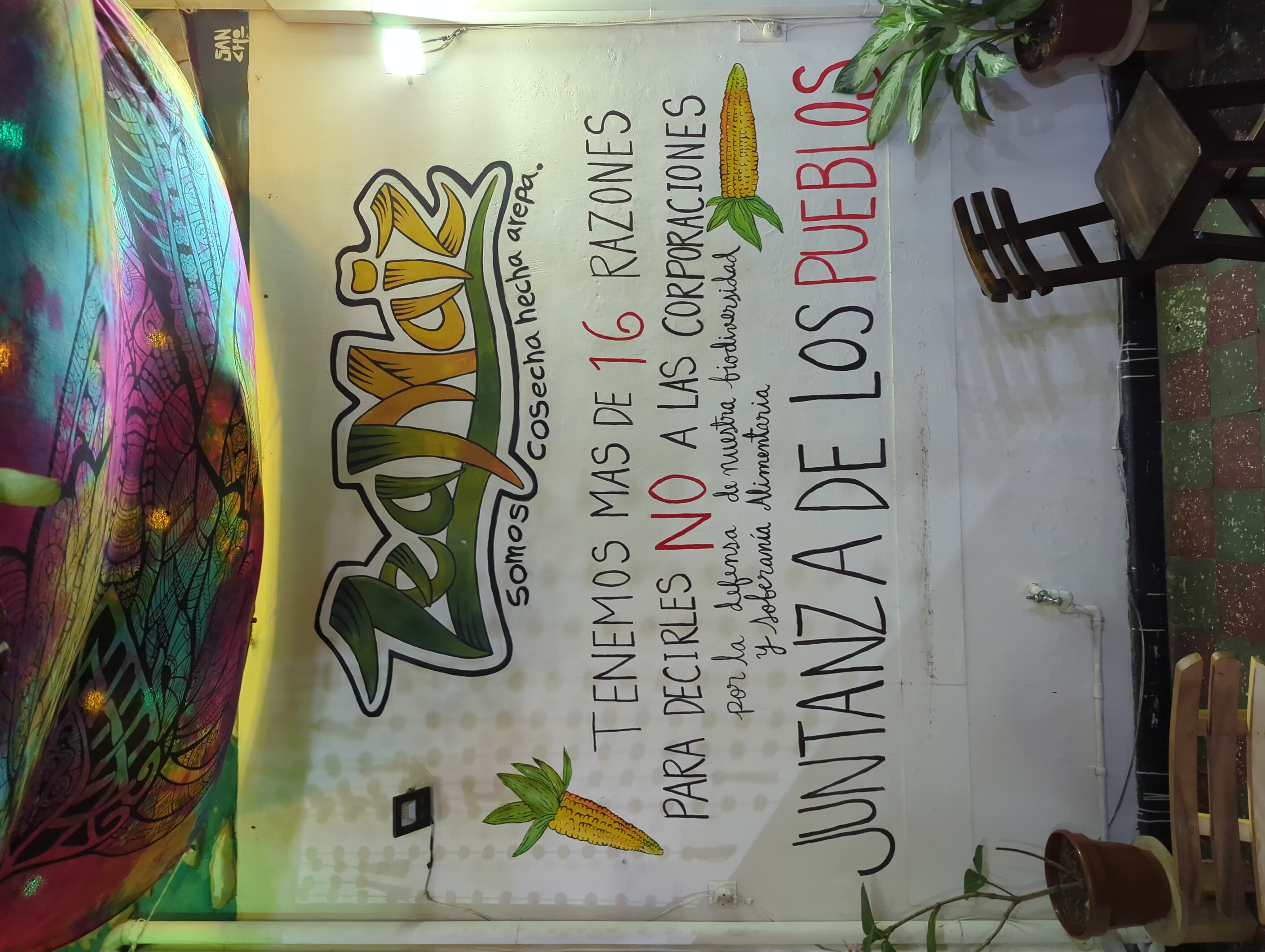
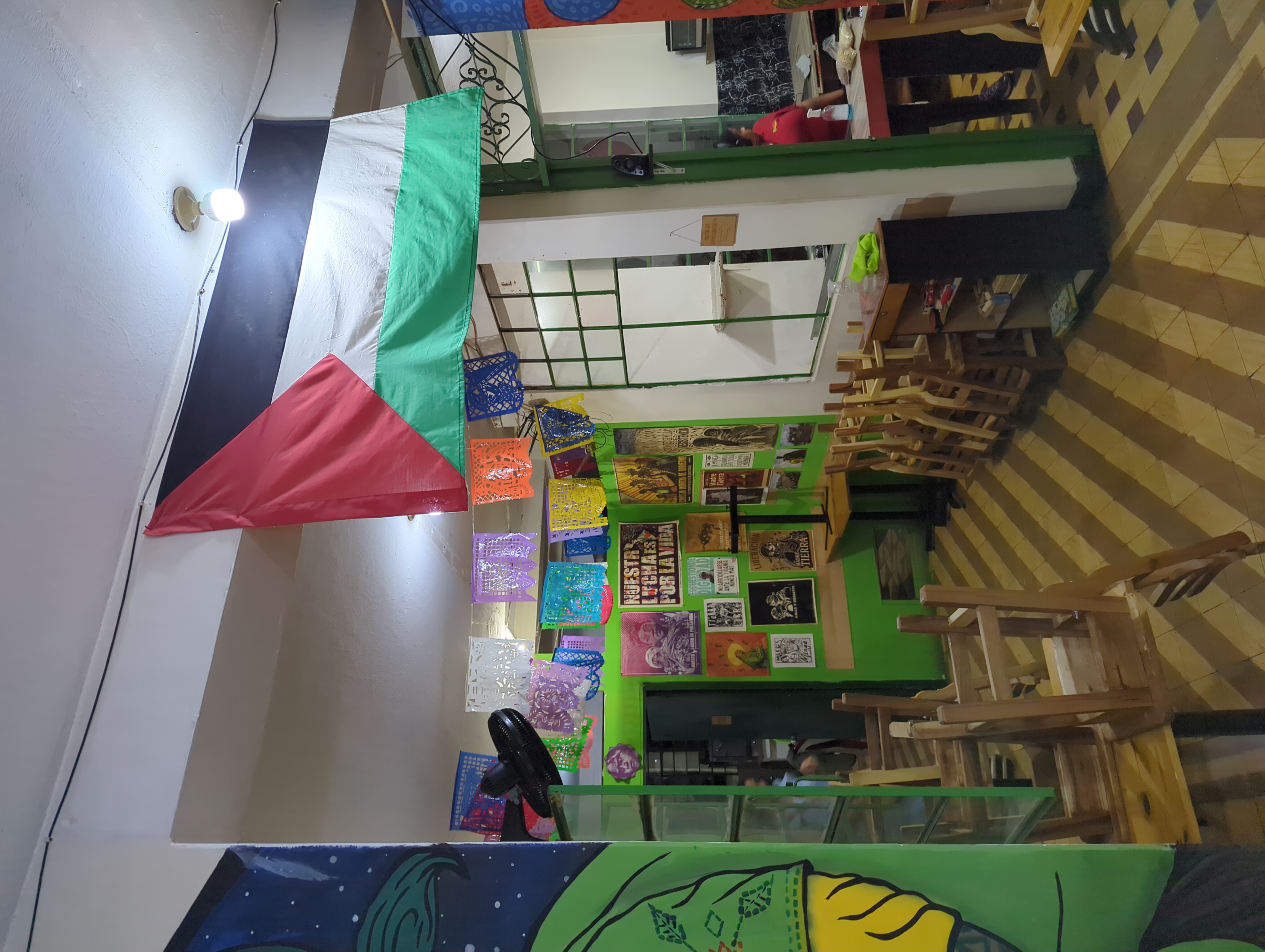
Hace algunos días estabamos en Zea Maíz, en Cali. No solo es un restaurante construido y gestionado en torno a los principios de la soberanía alimentaria, sino que también ofrece un espacio para que artistas y escritores anarquistas compartan su arte!!!!

La Soberanía alimentaria
Palestina libre

Encontramos este librito hermoso, escrito por Viviana Gutièrrez e ilustrado por Lina Ipia, quienes nos dan permiso para compartirlo con ustedes.

[]

The two faces of James Lovelock

Next time you have to explain to someone why it’s better to not eat meat, you can tell them that it is to make sure that the next asteroid impact will not prevent electronic life from knowing the universe.

Let James Lovelock be a vehicle for the universe to say crazy things about itself.


Renegade scientist, deranged technocrat

I have always had a hard time making up my mind about James Lovelock. On the one hand, his Gaia hypothesis has really changed the way I (and many others) think about the remarkable equilibria we are born into. On the other hand, the way his ego and his (largely self-acclaimed?) engineering credentials have consistently manifested in confused appeals to technocracy - “it may be necessary to put democracy on hold for a while” - has been misguided and dangerous.

[]

Window ecosystem on the 7th floor

Our little apartment in Medellín is on the 7th floor. But that doesn’t prevent nature from doing its thing.

The food chain starts with a banana. We cut it up and put it on a wooden feeder. So far, we have been visited by Guacharacas (see video), Mieleros, Bichofues, Candelarias, Azulejos, Verdulejos, Mayos and today even a Carpintero.

No matter how hard these birds try to scrape the last piece of banana from the feeder, there is always something left. But it doesn’t go to waste! Because, believe it or not, ants find their way up to the seventh floor. And they feast on what is left of the banana.

[]

Sangre, nitrógeno y la Gran Oxidación

Yo tenía hoy años cuando supe por qué los nodulos que fijan nitrógeno en las raíces de las legumbres tienden a ser rojos cuando los abres. Tiene que ver con la Gran Oxidación, que ocurrió hace unos 2.500 millones de años, y está directamente conectado a la razón por la cual nuestra sangre es roja.

(Este articulo también existe en Inglés: link).

El nitrógeno es naturalmente escaso. Podría representar la mayor parte de lo que llamamos “aire”, pero este nitrógeno existe como N2, y la mayoría de los organismos no tienen ni idea de qué hacer con eso. Digo “la mayoría de los organismos” porque hay algunas bacterias que han evolucionado la capacidad de capturar nitrógeno de la atmósfera, y convertirlo en moléculas biológicamente útiles, como NH3.

[]

Blood, nitrogen and the Great Oxidation Event

Nodules are red, violates are blue

I was today years old when I learned why the nitrogen fixing nodules on the roots of legumes tend to be red when you open them. It has to do with the Great Oxidation Event, which happened around 2.5 billion years ago, and is directly connected to the reason why our blood is red.

(This article also exists in Spanish: link)

Nitrogen is naturally scarce. It might make up the bulk of what we call “air”, but this nitrogen exists as N2, and most organisms have no clue what to do with that. “Most organisms”, because there are a few bacteria that have evolved the capacity to capture nitrogen from the atmosphere, and turn it into molecules that are biologically useful, like NH3.

[]

No time to lose

We often say “climate change is here. We have no time to lose.” This is very true, in the sense that we have to act now. In the sense that we cannot afford to lose or waste more time. But it is also not true, in the sense that - with climate change - we have so much to lose, including, not in the least, time.

Imagine what we could have done with all the time that we (and future generations) will have to spend on repairing, adjusting, relocating, rebuilding.

[]

Als je een bos plastificeert wordt het stoffig

Een idee dat misschien een beetje helpt bij het omgaan met de dood.

We zouden het geluk soms wel in een doosje willen stoppen. Het vastleggen. Opnemen. De tijd stoppen. Een fijne vakantie. Een mooie wandeling.

Maar het gaat voorbij. Alles gaat voorbij. Gedachtes komen en gaan. Mensen komen en gaan. Moleculen stromen heen en weer. Het is een grote soep. Ons lichaam ook. πάντα ῥεῖ.

Het magnifieke van alles is de orde die tijdelijk tot stand komt. Het is natuurlijk eigenlijk ook een constante stroom van van alles en nog wat. Maar op de tijdschaal van opstaan en naar bed gaan lijkt er iets constants te zijn. Wij zijn gedurende een bepaalde tijd min of meer hetzelfde.

[]

Zonmaanaardlicht

Soms, als het nèt nieuwe maan is geweest, zie je niet alleen een klein fel sikkeltje, maar ook - in het donkergrijs, heel subtiel/spookachtig - de rest van de maan. Dat blijkt dus het licht van de aarde te zijn, dat de maan weer naar ons terugkaatst. Het is dus het licht van de zon dat op de aarde valt, dan van de aarde naar de maan schiet, en dan weer door de maan naar de aarde wordt terugkaatst, zo hup in onze ogen. Een soort derdehands zonlicht.1

[]